
Ergonomics & Workplace Injury Prevention
Our experts can help you the risk of repetitive strain or acute injuries in all types of workplaces. Strategies may include adapting workstations, establishing clear documentation of the physical demands of jobs or developing employee education or stretching programs. Learn more about our preventive workplace health programs:
Ergonomic Assessments
Office Ergnomics
Office ergonomics focuses primarily on static postures, repetitive fine motor tasks, and prolonged seated or standing work at computer workstation. The objective is to mitigate the cumulative musculoskeletal strain associated with office environments.
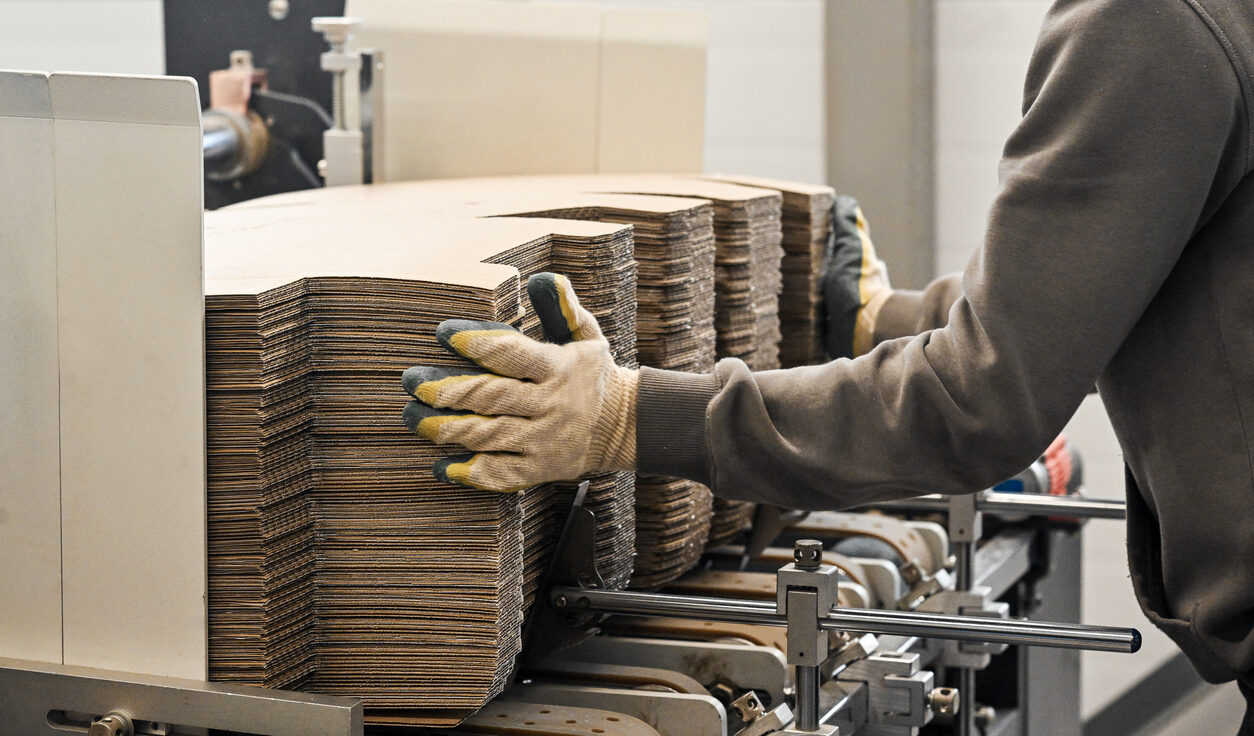
Industrial Ergonomics
Office ergonomics focuses primarily on static postures, repetitive fine motor tasks, and prolonged seated or standing work at computer workstation. The objective is to mitigate the cumulative musculoskeletal strain associated with office environments.
Physical Demands Analysis
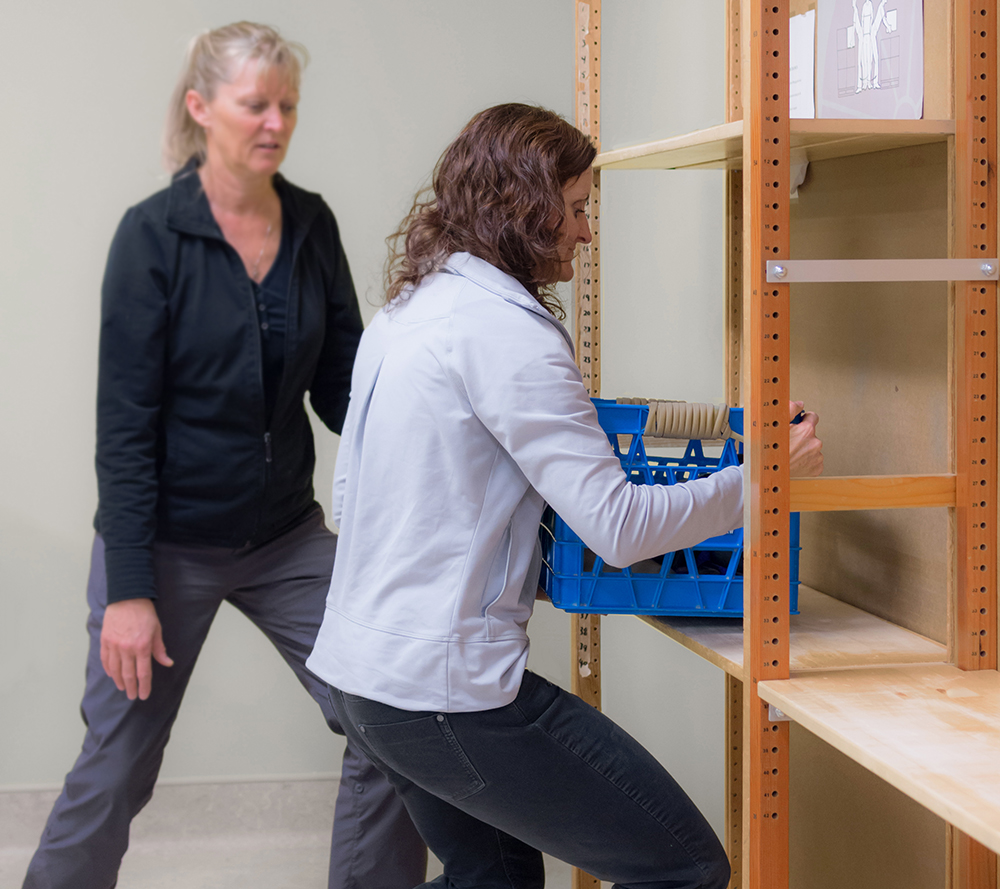
A Physical Demands Analysis (PDA) is a comprehensive, objective evaluation used to document the exact physical requirements of a specific job role. Conducted by a qualified rehabilitation professional, such as an Occupational Therapist or Physical Therapist, a PDA breaks down a position into its core components to measure what the body must endure to perform the work safely and effectively.
Why is a PDA Helpful:
- Safe Return-to-Work Planning: When an employee is recovering from an injury, the PDA is used to objectively compare the worker’s current functional capacity against the actual demands of their job, ensuring a safe and sustainable return to work.
- Injury Prevention and Ergonomics: By identifying high-risk physical stressors (such as heavy lifting or awkward postures), organizations can redesign workspaces and workflows to prevent musculoskeletal injuries.
- Accurate Job Descriptions: A PDA provides clear, legally defensible physical criteria for hiring, placement, and accommodation processes.
- Insurance and Claims Management: It gives insurance providers, case managers, and Workers’ Compensation boards a clear, evidence-based benchmark for evaluating injury claims and functional abilities.
Injury Prevention Programs

A proactive approach is the most effective way to safeguard your workforce, reduce absenteeism, and foster a culture of health and safety. Beyond initial assessments, a robust workplace wellness strategy relies on targeted injury prevention programs. These programs are specialized to meet the needs of the workplace and foster additional health literacy.
We can help build your:
- employee education sessions
- structured stretching programs